MECHANICAL ENGINEERING DESIGN AND CONSULTANCY
Mechanical engineering design office specialized in the design of industrial systems and machinery
Our mechanical engineering design office supports industrial companies in the design of products, sub-assemblies and special machines, with an approach focused on performance, reliability and industrial feasibility.
Mechanical design and product engineering
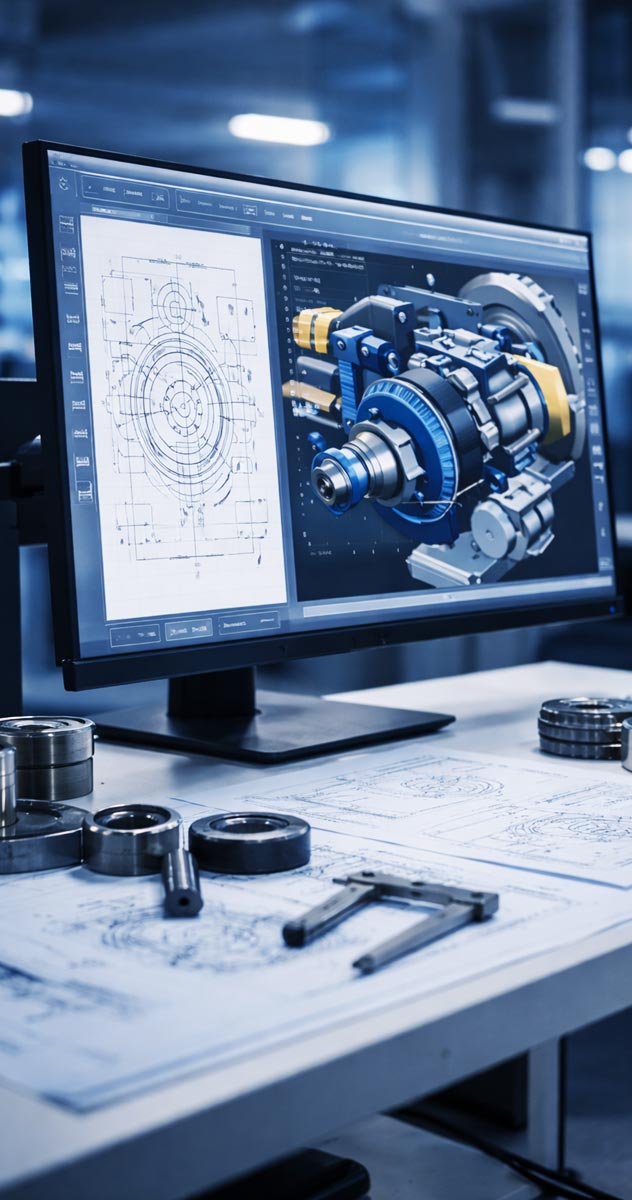
Mechanical design is the first decisive step in the development of a product, a sub-assembly or industrial equipment. It consists in transforming a functional need, an idea or a set of specifications into a coherent, reliable technical solution adapted to real operating constraints. The role of a mechanical engineering design office in Saint-Étienne is then to define the mechanical principles, the overall system architecture and the design choices that will determine the quality, robustness and durability of the final product. This phase also helps establish the technical foundations that will guide all the following stages of development.
At UCUETIS, each project begins with a precise understanding of the client’s need, intended use cases and operating environment. This phase makes it possible to establish solid technical foundations before any in-depth validation or industrialization stage. The objective is not only to design a functional assembly, but to build a relevant, sustainable and workable solution within a real industrial context, taking into account operational constraints, performance requirements and actual usage conditions.
Mechanical design relies on a methodical approach that integrates from the start constraints related to integration, assembly, space requirements, maintenance and mechanical strength. This logic helps avoid fragile or overly theoretical decisions and secures the project from its earliest stages. A well-managed design reduces late adjustments, improves the overall consistency of the product and facilitates the integration of the system into its industrial environment, while preparing the future phases of analysis and technical validation.
This design phase also helps structure the project around a clear and shared technical vision. By precisely defining the mechanical principles, interfaces between components and integration constraints, the mechanical engineering design office facilitates collaboration between the different stakeholders involved in the project: internal teams, workshops, industrial partners or suppliers. This overall consistency contributes to securing product development, limiting technical uncertainties and effectively preparing the next stages of the industrial project.
Functional analysis and technical architecture
Before any modeling or detailed definition of a mechanical system, it is essential to clearly understand the need it must fulfill. This functional analysis phase makes it possible to identify the product’s main functions, its interactions with its environment and the operating constraints it must meet. It is a fundamental step in structuring the project, clarifying technical objectives and avoiding design directions that could weaken the overall consistency of the system from the earliest stages of development.
Based on this initial analysis, the engineering office progressively defines the general organization of the system. This work makes it possible to establish a coherent technical architecture by structuring the product around logical sub-assemblies, suitable mechanical principles and clearly identified interfaces between the different components. This organization helps improve the understanding of the system’s overall operation and ensures the technical consistency of the whole before entering more detailed design phases.
This structuring phase also helps anticipate constraints related to integration, space requirements, assembly and interactions between the different mechanical elements. By analysing the system’s functions and mechanical flows, it becomes possible to guide the design toward simpler, more robust technical solutions that are better suited to real industrial operating conditions. This upstream work helps limit late technical compromises and improves the overall reliability of the project.
By establishing these solid technical foundations, the engineering office facilitates the entire design process and reduces the risk of inconsistencies during subsequent development stages. A clearly defined architecture makes it easier to approach modeling, analysis and technical validation phases with greater confidence, while ensuring better overall project control. It also improves communication between all the stakeholders involved in product development, from engineering teams to industrial partners.
3D CAD modeling and mechanical simulation
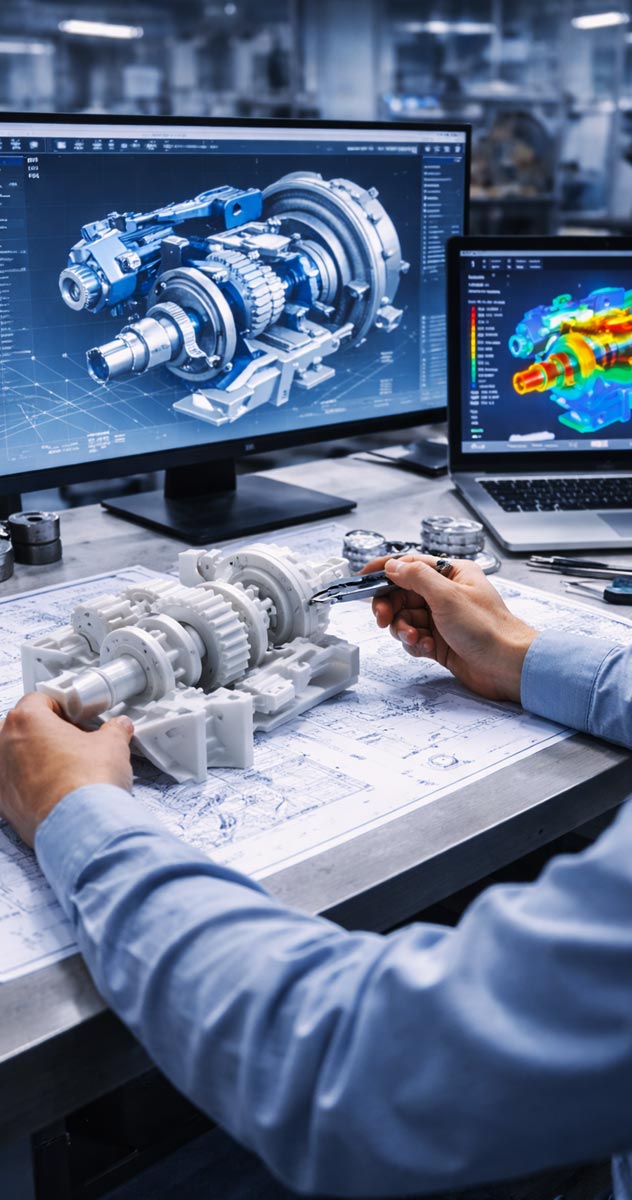
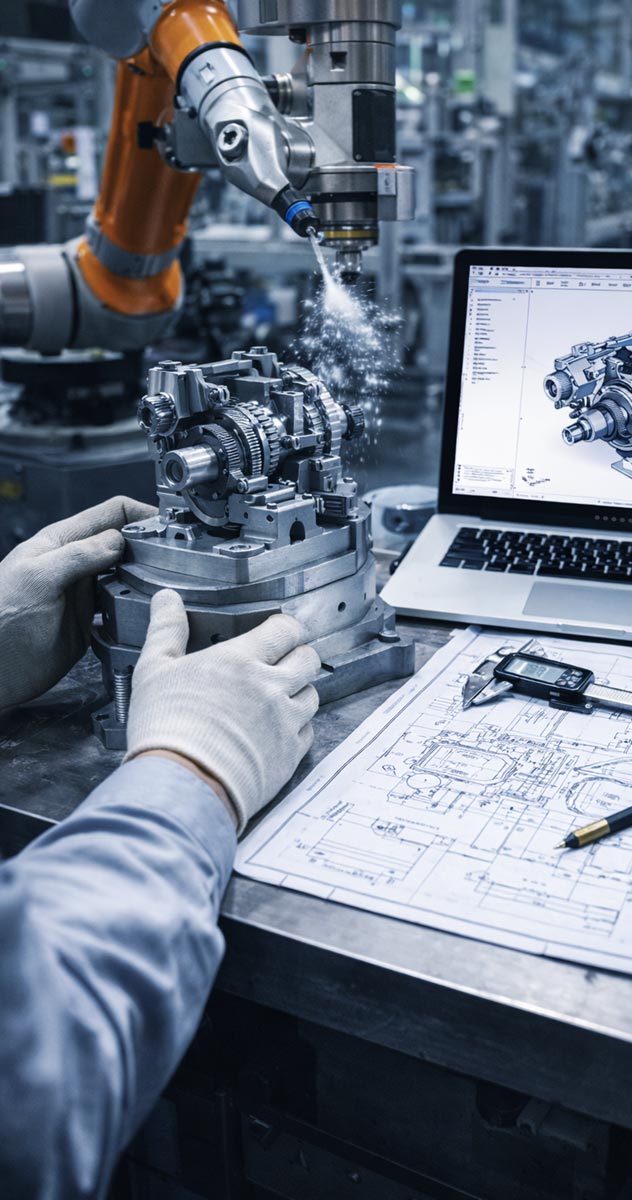
3D CAD is now a central tool in the design of mechanical systems and industrial equipment. It makes it possible to digitally represent parts, sub-assemblies and complete product architectures before any manufacturing phase. This modeling facilitates the understanding of the system’s overall operation, while providing a precise basis for analysing component interfaces, anticipating integration constraints and verifying the consistency of mechanical choices from the earliest design stages.
Three-dimensional modeling also makes it possible to quickly verify volumes, space requirements and interactions between the various mechanical elements. By working from a coherent digital model, the engineering office can explore different design solutions, compare several technical variants and refine mechanical choices before moving into more costly stages of development. This approach helps validate the selected technical principles, improve the readability of the project and secure the design directions adopted.
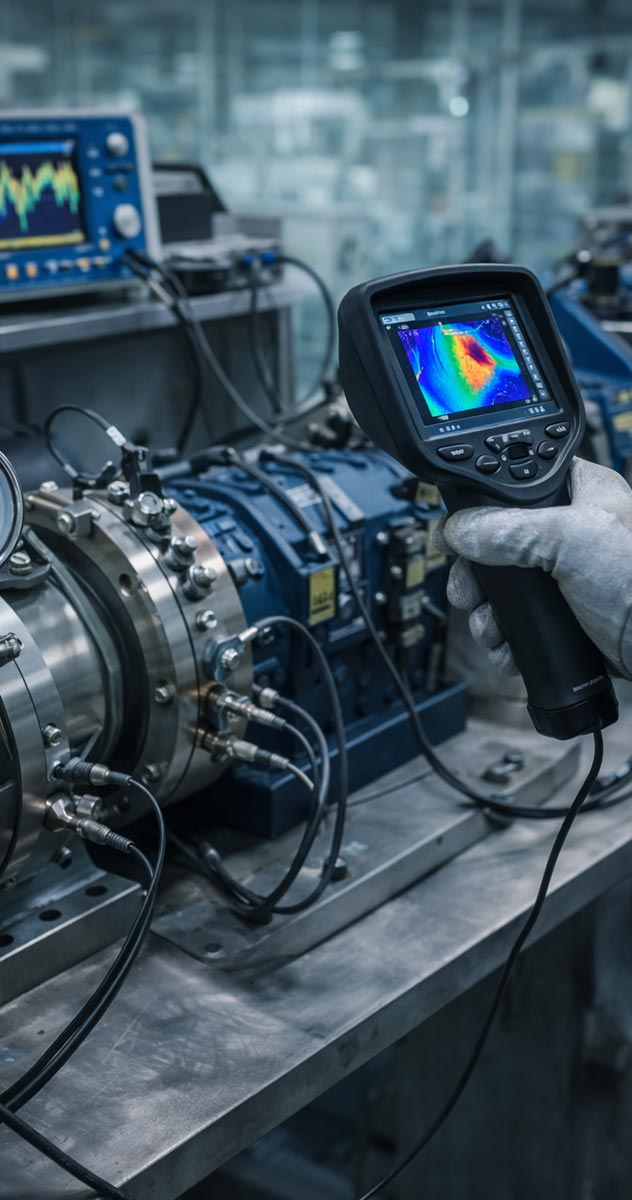
Mechanical simulation tools then make it possible to go further in the analysis of the behaviour of parts and assemblies. Calculations and numerical analyses help assess loads, deformations, stresses and even vibration phenomena that may affect the components. This phase makes it possible to identify the system’s sensitive areas, verify material strength and adjust certain design parameters in order to improve robustness and the overall reliability of the product.
By combining 3D modeling and simulation, the engineering office gains a much more accurate understanding of the system’s real behaviour before any physical production. This approach secures technical choices, optimizes mechanical performance and reduces the risk of error when moving on to the next stages of the project. It also facilitates the preparation of technical documentation, the definition of parts and the production of deliverables required for manufacturing and industrialization phases.
Design for industrialization
Efficient mechanical design must not only meet the functional need: it must also effectively prepare the future stages of industrialization. From the study phase onward, it is therefore essential to integrate constraints related to manufacturing, assembly, component accessibility and future product maintenance. This approach makes it possible to guide technical decisions toward realistic, coherent solutions compatible with demanding industrial environments, while ensuring the long-term technical viability of the project.
At UCUETIS, design follows a pragmatic logic aimed at anticipating real production conditions. Geometries, interfaces, tolerances and assembly choices are developed to reduce workshop difficulties and improve product repeatability. This anticipation limits late adjustments, secures design choices and facilitates the transition between the engineering phase and the more operational stages of the project, especially when several technical stakeholders are involved in system development.
The early integration of manufacturing processes is also an important lever for controlling costs, quality and lead times. Machining, welded fabrication, assembly, surface treatment or inspection can directly influence the technical definition of parts and sub-assemblies. By taking these parameters into account from the design phase onward, it becomes possible to reduce extra costs, avoid unnecessary complexity and better prepare the product’s industrial use under controlled production conditions.
This design-for-industrialization approach also helps prepare more coherent technical deliverables for the rest of the project: part definitions, assembly logic, associated documentation and technical bases that can be used by workshops or industrial partners. Without going into the details of production stages here, this approach contributes to securing the overall development of the product and ensuring smoother continuity between study, manufacturing and industrial implementation, while facilitating the transmission of technical information between the different teams involved.
FAQ – Mechanical engineering design
Tip: click on a question to display the answer.
Let’s discuss your mechanical or industrial project.
UCUETIS
Mechanical engineering in Saint-Étienne.
Design to Manufacturing approach:
design, industrialization and optimization,
with a production-oriented methodology.
CONTACT
UCUETIS
370, rue de Pressomat
42560 Boisset St-Priest France
Tel. : 09 52 54 61 18
Email : contact@ucuetis-d2m.com